
Personal

In West Virginia, insurance carriers have specific roofing requirements that can affect your eligibility, premiums, and claims. Whether you're a homeowner or a contractor, understanding these requirements is essential.
Finding the Right Roof for Your House
When looking for the right roof for your needs, things you might want to take into account is the climate of where you are located, the budget you are willing to put towards the roof, and maybe even how long you might plan to live where you are. Always check with your insurance provider to see which materials qualify for coverage discounts or special endorsements. Below is a resource to keep in consideration for choosing metal roofing.
Choosing the Right Metal Roof: A Guide to Protecting Your Home
1) Roof Age & Condition
As roofs age, materials degrade due to exposure to sun, rain, wind, snow, and temperature fluctuations. This means older roofs are more likely to leak, develop mold, or even collapse. This increases the chances of claims, which insurers are trying to minimize.
2) Roof Type & Materials
All of these factors tie into the fact that Insurers prefer materials that reduce the likelihood of frequent repairs or replacements.
3) Inspection/Documentation
Without documentation, it’s harder to prove that storm damage wasn’t just wear and tear. The use of documentation can be looked at as protection for you and your insurer.
4) Licensing & Insurance for Roofing Contractors
Insurers want to avoid situations where they might be drawn into disputes over unlicensed or uninsured work. An example of this would like if you had work done by an unqualified contractor, your claim may be denied.
5) Storm/Hail Risks
These conditions pose a significant threat to roofing systems, making them a focal point for insurance underwriting. Insurers often will apply stricter standards and sometimes higher deductibles for storm-related damage like those listed above.
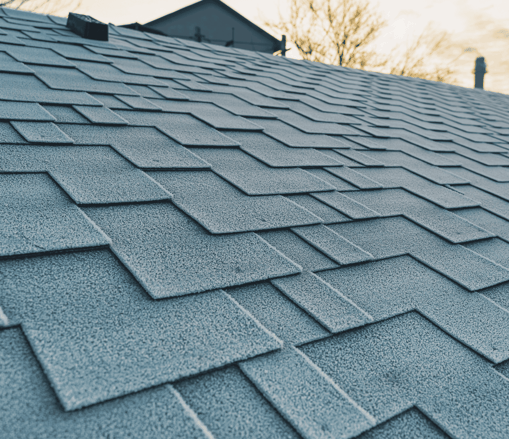
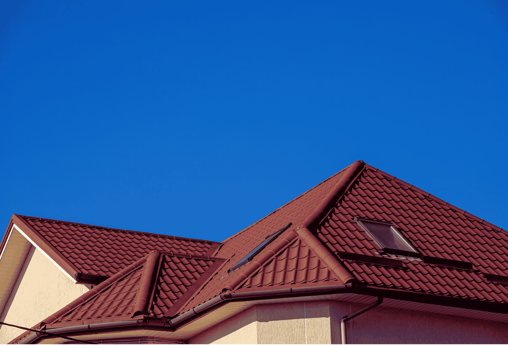
asphalt shingle roof (top) & title roof (bottom) are pictured
Regular roof maintenance not only helps extend your roof’s lifespan, but it can also keep your insurance coverage in good standing. Document your roof’s condition with photos and keep records of any repairs or inspections. If you notice sagging, leaks, or significant wear, call a professional to assess the damage before it worsens. For each season, inspect your roof for damage, especially after storms. It is very important to clean out gutters to prevent water buildup. Maintaining your roof not only safeguards your home but also plays a key role in how your insurance policy is structured and priced.
Your roof plays a big role in your personal lines insurance, which includes your homeowner's policy. Picking the right material, like metal, or impact-resistant shingles can help lower your insurance costs and protect your home. To learn more about how personal lines insurance works and what it covers, click here: Personal Insurance
Pro Tip: Keep Your Documents Handy
If you're planning to file a claim or switch insurance providers, have detailed documentation of the condition and maintenance history of your roof. This will make the process smoother and could even lead you to having potential savings on your insurance.
Insurers often reward proactive homeowners who can demonstrate consistent upkeep and timely repairs. Even simple records like inspection dates or contractor invoices can make a big difference.
Understanding roofing requirements isn’t just about compliance... it's about protecting your investment. Whether you're replacing an old roof or buying a new home, staying informed can help you secure better insurance coverage and peace of mind.
-1.png?width=1200&height=600&name=H%26A%20Blog%20Photo%20(1)-1.png)